From Wimbledon to WaiBOP
Goalkeeping
A chat with Goalkeeper & Goalkeeper Coach Gary Dillistone.
Meet Gary Dillistone, the head coach in Tauranga for WaiBOP Football’s Term 4 Goalkeeping Development programme - a man with more than five decades in the game.
We caught up with Dillistone to talk goalkeeping - how it has changed, how it hasn’t, and what matters most for young keepers coming through today.
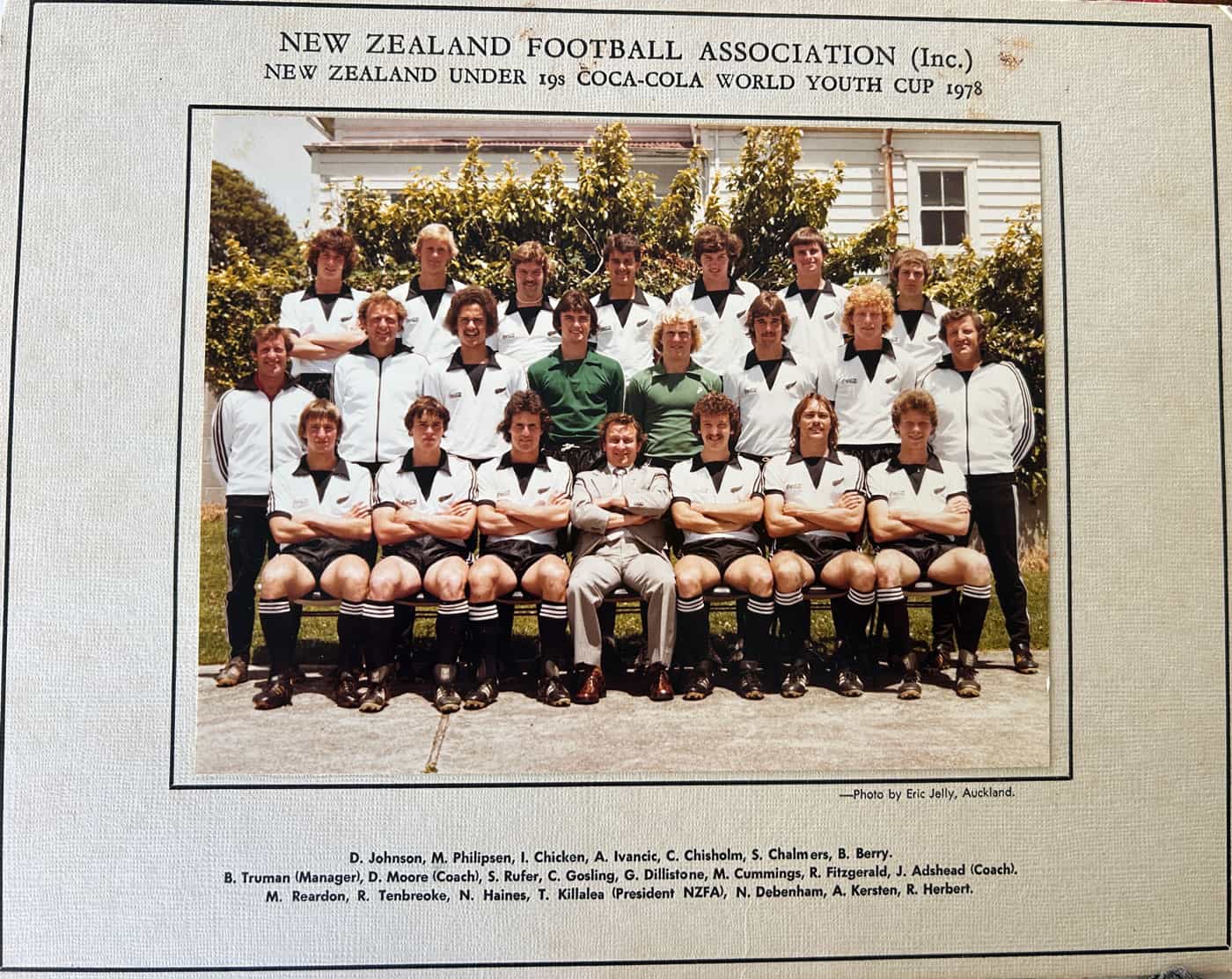
Dillistone’s senior football career began in 1973, aged just 13, when he made his debut for Hamilton’s Claudelands Rovers in Northern League Division 2. By 16 he was playing National League football with Hamilton AFC for coach Kevin Fallon and, in 1978, was selected for the New Zealand Under-19 side.
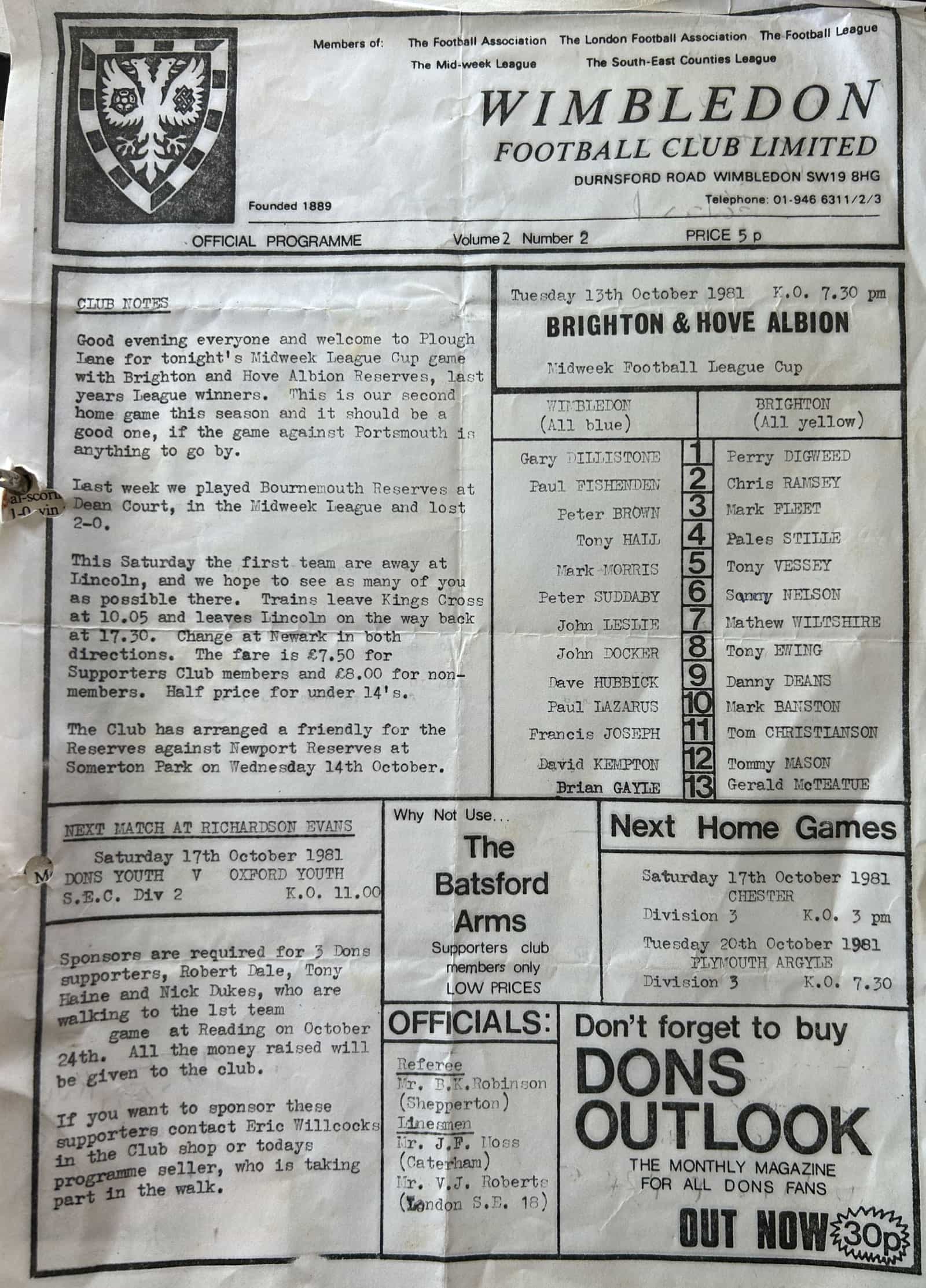
In 1981, he signed with Napier City Rovers and promotion to the National League followed. That season opened the door to England, where he spent four months in the UK. During that time he played five reserve matches for Wimbledon and was loaned to Walton & Hersham, a non-league side. He trained alongside Dave Beasant, who later represented England.
Dillistone returned to New Zealand and continued with Napier City Rovers until 1984, when back surgery sidelined him temporarily. After surgery, he moved back to the Waikato, signing with Hamilton in 1984, playing in the short lived 1987 Waikato FC, and then Waikato United in the National, League from 1988.
His performances were recognised with a contract from goalkeeping kit supplier Uhlsport, alongside Frank van Hattum and Grant Schofield. As part of that agreement, he delivered junior coaching clinics and school-based programmes.
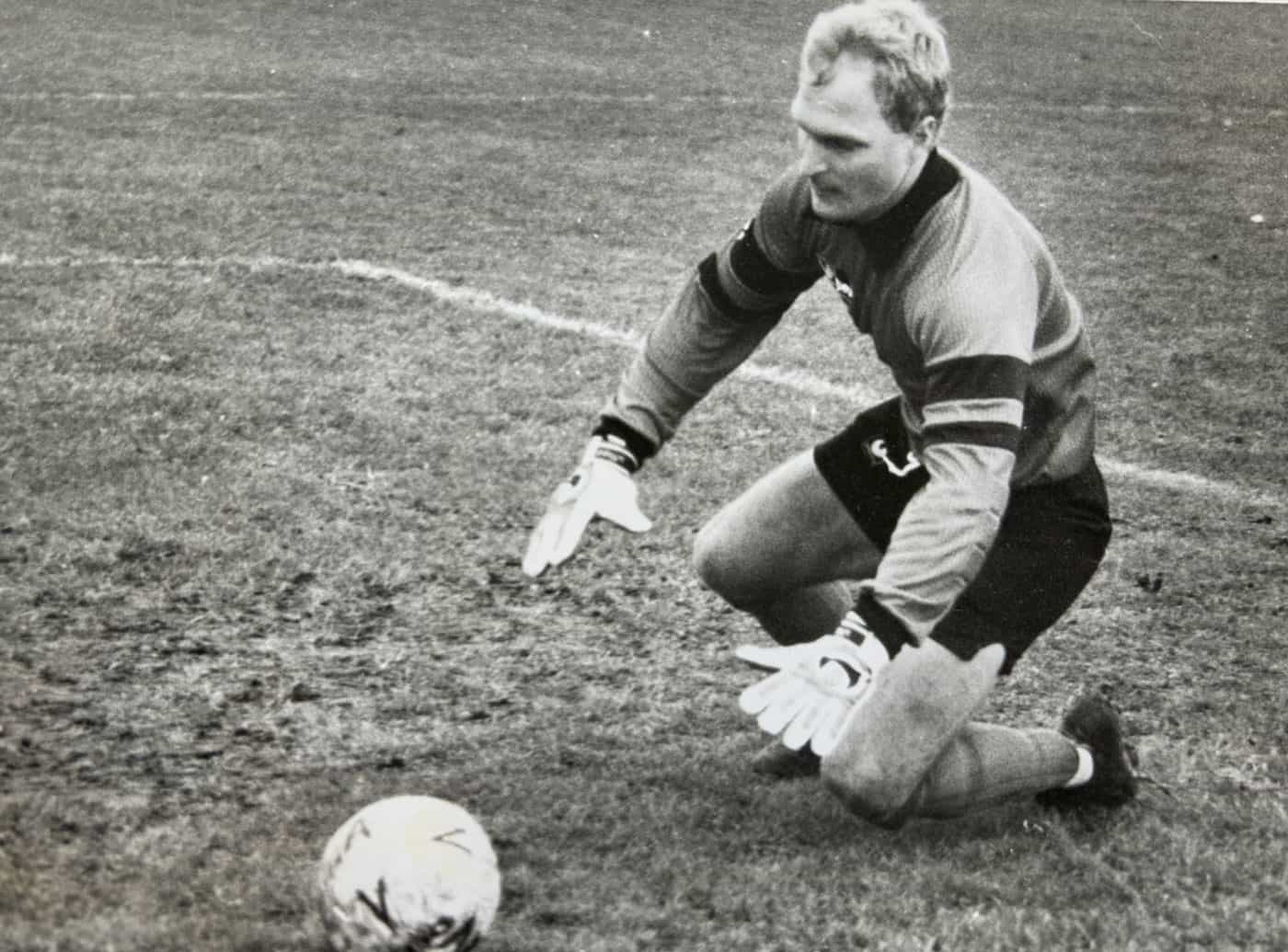
In 1988 he won the Chatham Cup with Waikato United. In 1992, the reached the final again. He remained with Waikato United until 1995, with stints playing as a guest for University Cowans and Mount Maunganui, before joining Hamilton Wanderers where he finished his playing career in 2000.
As his playing days drew to a close, Dillistone shifted his focus to coaching. He worked with junior players in the Waikato academy system under Roger Wilkinson and Mark Cossey, and coached senior goalkeepers at Waikato, Ngāruawāhia and Hamilton Wanderers.
We caught up with Gary to dig deeper into goalkeeping, and how the role has evolved over time.
What are the most important attributes of a great goalkeeper?
The common key qualities are:
- Confident with one’s self, a good communicator, having a positive attitude, competitive, a quick decision maker. Other mental strengths will be present if you have these.
- Physical abilities are also very important, reflexes, agility, presence of size (meaning you may not have the height, but you appear to, and physical strength
- Skills required are quick feet, good strong hands for catching balls, coordination, timing
- An understanding the game is very important – being in the best position, and ready for any situation is vital
How has goalkeeping changed since you first played in the 1970s?
40 years ago goalkeepers needed the same attributes, but keepers then didn’t have to have the same level as skill with their feet as an outfield player. Goalkeepers today need to be able to start attacks from the back, and they don’t send as many long balls up field. They are the last line of defence and first line of attack.
Goalkeeping in the 70s wasn’t easy, no foam gloves, water logged balls, muddy playing fields, boots heavy, and the game was a lot more physical then.
Soccer (as it was called then) didn’t really start until the age of ten and was played from April through to end of August, and there were no academies.
How have you seen GK coaching evolve over the years?
Opportunities and support for goalkeepers today is very good, with many more skilled and qualified coaches, as well as coaching clinics being run across the country. There are opportunities now for those who have the will and passion to make it, to be identified for the future.
In New Zealand, specialised Goalkeeping coaching was almost non-existent in the 70s through to the nineties, especially at a senior club level. There are more overseas and professional opportunities now than back then.
Are there techniques or principles that have not changed?
The same standard principles are the same for keepers as there was in the past.
Today there is more pressure on a keeper to play out from the back, and decision making is critical.
On TV so many times back passes and keeper passes go astray, and are intercepted - it’s a skill to possess! Also it appears that keepers are catching less and palming shots away more, one factor here is the increased speed of the ball due to improved technology.
A keeper that is tall has an advantage over a smaller one, with 6 feet being seen as the ideal height. I’m not that tall – I probably wouldn’t have been able to get as far as I did in today’s world.
Today I see keepers coming out for crosses less - but corner kicks are sent directly at the goal more. In our WaiBOP GK programme we are teaching our young goalkeepers to be competent in all areas including coming for and catching high balls.
How do you help young goalkeepers develop confidence after mistakes?
Everyone will make mistakes. When it happens it’s not intentional, and moving on quickly is very important.
For the parent it is really important to focus on the good parts of the keepers game.
Praise, and let the child give his or her opinion on what happened with the mistake.
To be a goalkeeper you must be able to accept what went wrong. The coach may point out the mistake but parents shouldn't put the child down.
Most good keepers with strong mental qualities will learn, assess, and look forward to the next game.
My mother was my biggest critic and supporter all in one. Playing in the top National league at 17 wasn’t easy, going home and knowing that I had made a mistake I knew I was going to get the silent treatment!!
Goalkeeping Development Programme at WaiBOP Football
Earlier this year, WaiBOP Football launched a Goalkeeping Development Programme to support Goalkeeping Coaches and Goalkeepers across the Waikato and Bay of Plenty. The programme is led by FIFA Goalkeeper instructor James Bannatyne, supported by WaiBOP Football Development Officer Akshaay Anath.
In Term 4, 2025, WaiBOP ran a GK Development course for Junior and Youth players, in Hamilton and Tauranga. Over 60 youth players from 8 to 15 years old had the opportunity to learn some of the specialised skills involved in being a keeper.
Bannatyne says "A priority for our WaiBOP goalkeeping project is having good people with the qualities to pass on to our young goalkeepers. Goalkeeping is a unique and great position and having someone like Gary passing on his knowledge and experiences is great for our programme.
"I remember watching Gary when he playing for Waikato in 1989 and was impressed with him then. Its awesome to still have people like Gary in our game improving the next generation of goalkeepers."
The focus of the programme is to create a stronger Goalkeeping community across the region, supporting goalkeeping coaches within clubs.
To find out more about the programme, fill in this form:
https://www.sporty.co.nz/viewform/385446
Special thanks to Aotearoa Gaming Trust for their support in our WaiBOP goalkeeping programme we plan to continue in Term 1 2026 and beyond.
Article added: Thursday 11 December 2025